I wasn’t expecting a slim card to change the way I think about crypto. Wow! Really, it felt like holding a tiny vault in my wallet. At first glance the Tangem card looks almost trivial, a brushed-metal rectangle you might mistake for a hotel key, but its NFC chip and secure element quietly carry private keys in a way that removes a lot of user friction and attack surface when compared to seed phrases stored on paper or in a phone app. My instinct said this would be clunky, though actually I was pleasantly surprised.
Whoa! It simplifies day-to-day use without exposing you to easy hacks. Initially I thought the trade-off was convenience over control, but then I learned that the card actually enforces cryptographic separation between key storage and the user device. I’m biased, but that design decision matters. It reduces common user mistakes like leaking mnemonic words or accidentally backing up to insecure cloud services.
Okay, so check this out— the card uses contactless NFC to sign transactions directly on the device, so your phone just acts as a communication layer. That means even a compromised phone cannot extract your keys or sign arbitrary transactions without the card present. On one hand this is comforting, on the other hand it can feel like an extra step for quick trades. I’m not 100% sure about every UX detail, and different wallets implement flows differently, but the core security posture is strong.
Seriously? Yes, seriously—there are real benefits for everyday users. You can carry it like a credit card, tap to sign, and move on with your day. This physicality changes behavior: people treat their wallets more carefully when a tangible object represents their private keys, which is a subtle but very very powerful psychological nudge toward better security practices. That said, it does not eliminate responsibility.
I tried a Tangem-like card setup last month, and some things surprised me. My phone paired quickly, the first transaction signed in seconds, and I felt oddly relieved. Somethin’ felt off about the initial backup story though, because unlike seed phrases you can’t manually transcribe the whole key, so recovery models rely on issuing multiple cards or custodial recovery options. Hmm… That recovery trade-off is a real conversation starter for families and small businesses who plan continuity.
On one hand you gain ease, though actually you trade certain flexibilities. Initially I thought independent backups were straightforward. Actually, wait—let me rephrase that: they are straightforward in concept but messy in practice, since duplicating cards or using manufacturer recovery services adds complexity and potential centralization. I’m cautious about vendor lock-in. If the ecosystem standardizes open recovery methods, this could be much better, but right now the pros and cons deserve careful consideration.
Check this out—use cases vary a lot. For someone new to crypto, a card reduces intimidation and eliminates jargon like BIP39 and mnemonic entropy. For active traders it may be clunky, though some advanced workflows can make it seamless. For long-term holders it provides a neat, cold-storage-like solution wrapped in modern UX that actually gets used, which matters more than theoretical security if people don’t follow through. I liked how it fit my wallet.
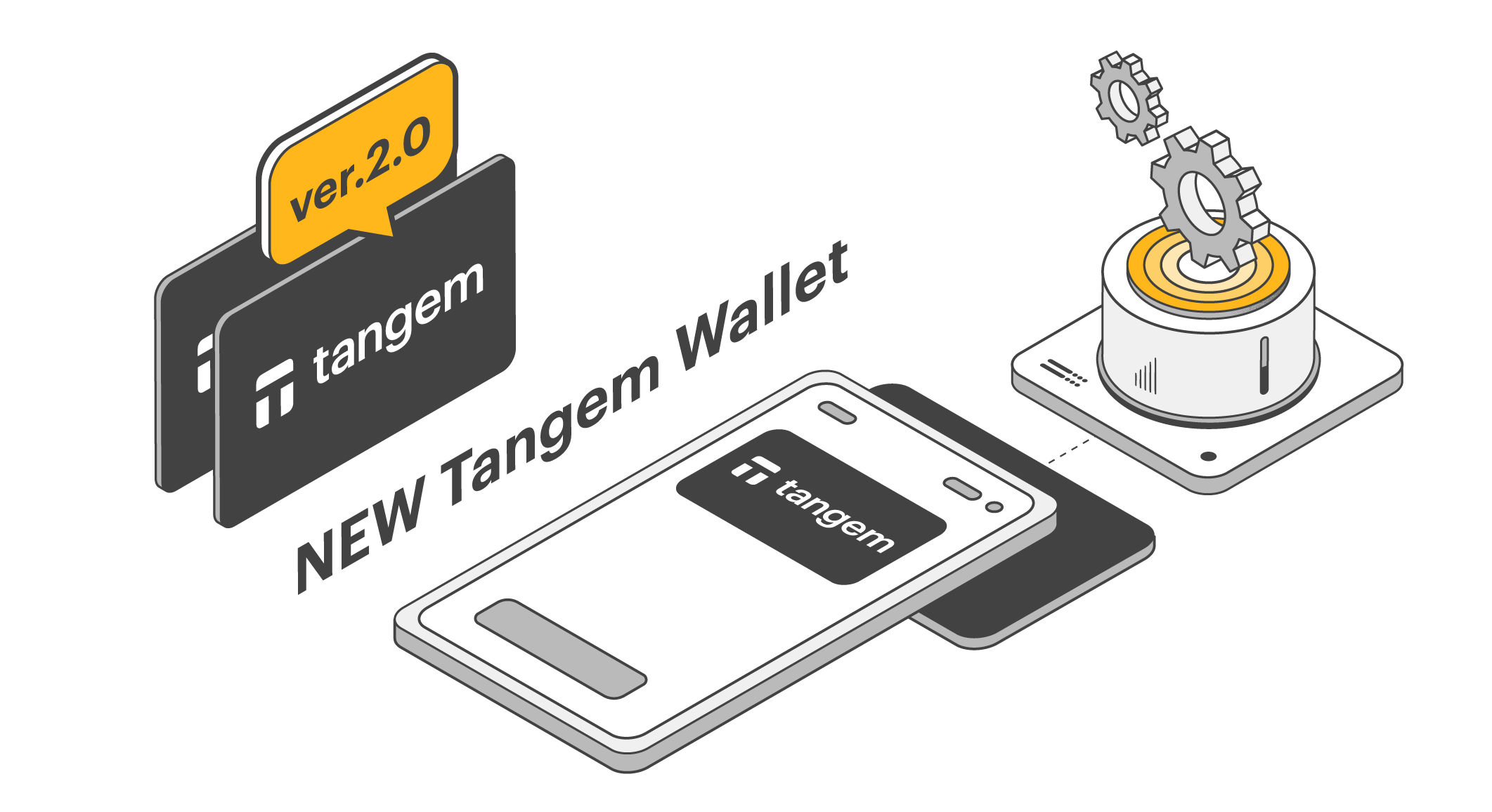
Where to learn more and get started
If you want practical setup steps, compatibility notes, and guidance on best practices, a good place to start is this walkthrough: https://sites.google.com/cryptowalletextensionus.com/tangem-wallet/
One caveat that bugs me is supply and authenticity. If you buy a physical security product, verifying it’s genuine is critical. Buy from reputable channels, register cards when offered, and avoid sketchy third-party sellers. If the vendor supports hardware attestation and firmware checks, use them—attestation reduces risk from tampered or counterfeit devices. I’m not saying it’s foolproof, but it moves the needle toward trust.
A technical aside: the card’s secure element performs signing operations internally and exposes only signatures to the outside, which is the whole point. This means compatibility across many chains, though wallet support varies by token and chain. Developers should be mindful to implement robust attestation and firmware checks so users can trust device provenance. I won’t claim to know every detail of their firmware lifecycle. But if they keep improving attestation, that closes several attack vectors, which is reassuring.
Practical tips before you buy: plan your recovery, consider a secondary card, and practice restores. Label things, store one copy in a safe, and don’t post photos of your card on social media—sounds obvious, but people do it. Oh, and by the way… check compatibility lists before you commit. I’m not telling you to ignore other solutions, because each has trade-offs, but a NFC card wallet is finally a mainstream option for people who want something tangible. If you like the tactile assurance of a physical token, this might be your next best thing.
FAQ
How does a Tangem-style card differ from a hardware USB key?
The short answer: form factor and interaction. Cards use NFC for tap-to-sign convenience and typically fit in a wallet, while USB keys plug into a computer. Both isolate keys in secure hardware, though their UX and threat models differ slightly—cards are optimized for mobile-first flows, USB keys often excel in desktop-heavy setups.
What happens if I lose my card?
It depends on your recovery plan. If you’ve issued backup cards or set up a recovery process, you can restore access; otherwise lost cards mean lost keys. Plan ahead: multiple cards, a trusted custodian, or a documented recovery procedure are common strategies. I’m biased toward redundancy, so having at least one tested backup is wise.
